Baby Bunny Embroidery: A Real-World Design Review
As a designer who has spent years turning digital files into tangible, high-quality handmade products, I approach every new machine embroidery design with a mix of excitement and skepticism. We all want that perfect file that translates beautifully from the screen to the fabric, but reality often demands more than just a pretty preview. Today, I am evaluating the Baby Bunny Embroidery design to see if it truly holds up when stitched out for real projects, whether you are a hobbyist making gifts or an Etsy seller looking to expand your catalog.
The First Impression: Mood and Visual Personality
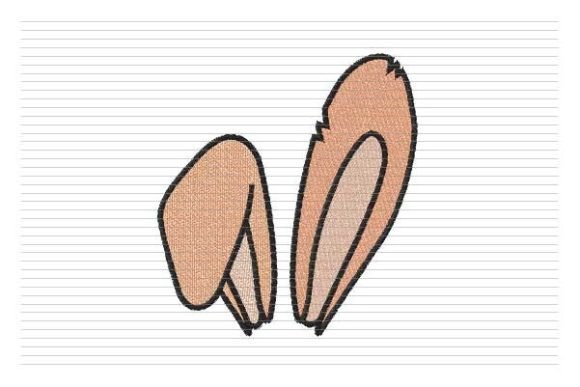
When I first opened the Baby Bunny Embroidery file, the immediate feeling was one of gentle whimsy. The layout is clean, focusing on the iconic shape of bunny ears and a soft, rounded face. It doesn't try to be hyper-realistic; instead, it leans into a charming, stylized aesthetic that fits perfectly within the Baby Animals category. For a commercial product, this distinction matters. A design that feels too complex can get lost in small details, while one that is too simple might lack character. This design strikes a balance that suggests it will look crisp even on smaller items like caps or aprons.
The visual personality is undeniably cute without being cloying. It creates a mood of comfort and innocence, which makes it a natural fit for nursery decor, baby clothes, and personalized gifts. If you are building a brand around soft, handcrafted goods, this embroidery file offers a cohesive look that customers can easily recognize. It screams "handmade" in the best possible way, promising a finished product that feels thoughtful and carefully crafted.
Real-World Application: From Screen to Stitch
To truly understand the value of a design, I put myself in the shoes of a creator preparing a custom order. Imagine you have received a request for a set of matching baby onesies and a large tote bag for a new parent's gift basket. You select the Baby Bunny Embroidery design. On a cotton tee shirt or a sturdy canvas tote, this design shines. The curves of the ears translate well into satin stitch, creating a smooth, lustrous finish that catches the light nicely.
I also considered its potential for home decor. Placing this design on a pillow cover or a kitchen towel adds a touch of warmth to any room. The simplicity of the motif means it won't overwhelm a small square of fabric, yet it provides enough focal point to make the item feel special. For a boutique owner stocking holiday gifts, this design is a versatile asset. It works seamlessly as a holiday embroidery accent for Easter baskets or as a year-round staple for baby showers.
However, not every surface is created equal. When thinking about custom apparel like sweatshirts or hoodies, the design performs admirably due to its moderate size and clear lines. It sits flat against the fabric, avoiding the bulkiness that can sometimes plague poorly digitized designs. For those selling digital embroidery files or creating printable mockups, this design is a strong candidate because it looks professional in both light and dark contexts, provided you choose the right thread colors.
Where Caution is Key: Fabric and Surface Limitations
While the Baby Bunny Embroidery design is robust, no single file is a magic bullet for every situation. As an experienced reviewer, I must highlight where this design requires careful consideration. One of the primary challenges in machine embroidery is managing stitch density. If the original digitization packs too many stitches into the center of the ears or the nose area, it could create a stiff, cardboard-like texture on thin fabrics like lightweight jersey or sheer cotton.
I would advise using this design with caution on curved surfaces like baseball caps or beanies. While the shape is generally round, the stitching tension required to hold the ears upright might cause puckering if the stabilizer isn't perfectly matched to the fabric type. Similarly, on textured fabrics like bouclé or heavy corduroy, the fine details of the face might get lost in the weave of the material. In these cases, the contrast between the thread and the background becomes critical.
Another area to watch is small hoop sizes. If you are planning to use this design for tiny accessories like hair clips or keychains, you need to verify the dimensions of the hoop size relative to the design. A design that looks balanced on a 4x4 inch frame might look cramped on a 3x3 inch frame. Always test the scale before committing to a full production run. Additionally, if you are working with stretchy fabrics, ensure you use a cut-away stabilizer to prevent the embroidery from distorting after washing.
Impact on Product Value and Brand Perception
In the world of craft business, the quality of your embroidery directly influences customer trust. A sloppy stitch job can ruin an otherwise beautiful concept, while a clean, precise execution elevates the perceived value of your handmade product. The Baby Bunny Embroidery design, when executed correctly, signals professionalism. It tells the buyer that you care about the details, which justifies a higher price point for your small shop product.
This design also enhances the "giftability" factor. Parents and gift-givers are drawn to imagery that evokes protection and tenderness. By using a design that clearly communicates these emotions through its shape and execution, you are tapping into the emotional needs of your target audience. Whether it is a personalized gift for a newborn or a commercial embroidery project for a baby store, the design serves as a visual shorthand for love and care.
For Etsy sellers and creative entrepreneurs, consistency is king. Using a reliable design like this across multiple listings helps build a recognizable brand identity. Customers who love the style of one item are likely to return for others, knowing they will receive the same level of quality. The design's versatility allows you to diversify your inventory without diluting your brand's aesthetic.
Practical Designer Notes for Success
Before you download and start stitching, there are several technical steps you must take to ensure success. First and foremost, always test the design on scrap fabric that matches your final project material. This is non-negotiable. You need to check how the thread colors interact with the fabric texture and whether the satin stitch edges are sharp or fuzzy.
Review the stitch density closely. If the fill areas seem too dense, consider adjusting the settings or selecting a lighter thread weight to reduce bulk. Confirm the hoop size requirements by checking the file properties or contacting the designer if the information is missing. If the design includes a running stitch outline, ensure it is tight enough to prevent fraying but loose enough to maintain flexibility.
Don't forget to inspect the small details. Zoom in on the eyes and nose to ensure they are distinct and won't merge together during the stitching process. Test the design in black and white mockups to see if the composition holds up without the distraction of color. Finally, verify the licensing terms. Are you allowed to sell finished items made with this digital embroidery file? Do you need a separate license for applique design variations? Clarifying these points protects your design assets and ensures your business remains compliant.
Ultimately, the Baby Bunny Embroidery design is a solid choice for anyone looking to add a touch of charm to their collection. It balances aesthetic appeal with practical usability, making it a valuable tool for apparel decorators, makers, and small business owners alike. Just remember that the secret to a great finished product lies not just in the design itself, but in the preparation, testing, and execution that follows.