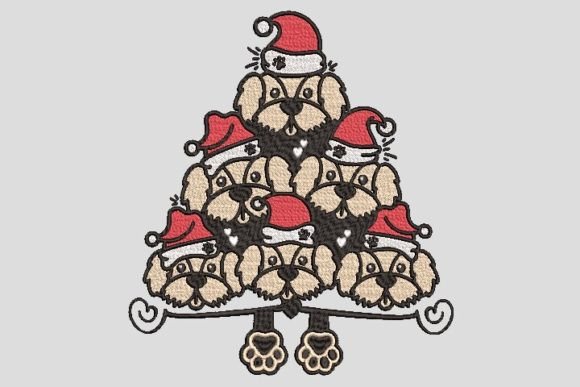
Snowflake Embroidery Review for Business Merch
As an experienced embroidery designer who has spent years refining designs for commercial production, I approach every new digital file with a critical eye. When evaluating Snowflake Embroidery for small business merchandise and branded patch use, the goal is not just aesthetic appeal but durability, scalability, and brand consistency. This review analyzes how this specific design fits into the workflow of apparel decorators, boutique owners, and handmade brands looking to elevate their product line.
First Impressions: Visual Personality and Professionalism
The title and description suggest that Snowflake Embroidery is positioned as a versatile asset for winter-themed projects. From a design standpoint, the first impression must answer whether the motif feels premium or merely decorative. For a small business, the visual personality of a logo or accent piece defines customer trust. If the snowflake appears too intricate for mass production, it risks losing detail when stitched on fabric. Conversely, if it is too simple, it may lack the "handmade" charm that Etsy sellers and craft businesses rely on to justify higher price points.
In the context of branding, a well-executed snowflake design can convey elegance, cleanliness, and seasonal warmth. It suggests a brand that pays attention to detail. However, without seeing the actual stitch density or thread colors, we must assume that Snowflake Embroidery needs to be tested to ensure it does not look cluttered on smaller items like caps or tote bags. The design's ability to stand alone as a focal point or serve as a subtle accent determines its utility in a broader catalog of custom apparel.
Real-World Application: Patches, Uniforms, and Accessories
The true test of any machine embroidery design lies in its application across various mediums. Imagine a local café or bakery wanting to introduce winter staff uniforms. Snowflake Embroidery could serve as a perfect chest logo accent on aprons or work shirts, adding a festive touch without overwhelming the brand identity. For pet brands or florists, this design could be adapted into a branded patch attached to tote bags or product packaging accents, creating a cohesive unboxing experience.
- Embroidered Patches: One of the most popular uses for this design is creating custom patches. These can be sewn onto denim jackets, beanies, or backpacks sold as limited edition holiday merch. A high-quality embroidered patch elevates the perceived value of the item significantly.
- Caps and Hats: For cap embroidery, the design must be scaled correctly. A snowflake motif works beautifully on the front panel of trucker hats or structured baseball caps, serving as a subtle nod to the season for outdoor event staff or retail teams.
- Tote Bag Design: Canvas tote bags are a staple for small business merch. Placing Snowflake Embroidery on the side or bottom corner of a bag offers a durable alternative to screen printing, ensuring the logo survives repeated washing and use.
- Apron Embroidery: In bakeries or creative studios, aprons are walking billboards. This design adds a professional yet welcoming vibe to kitchen staff attire, reinforcing a sense of community and hospitality.
Strategic Considerations and Potential Pitfalls
While the potential applications are vast, there are specific scenarios where Snowflake Embroidery requires careful handling. Small patch sizes often struggle with fine details. If the design includes tiny outlines or complex inner structures, they may fill in during stitching, resulting in a muddy appearance. Similarly, curved surfaces like cap fronts can distort linear elements if the digitization is not optimized for curvature.
High stitch density is another factor to consider. While dense stitching creates a premium feel, it can make the fabric stiff and difficult to wear, especially on lightweight materials. For items that need frequent washing, such as staff uniforms or baby clothing, the stability of the design is crucial. If the stitch density is too high, the fabric may pucker over time, damaging the brand's reputation for quality.
Additionally, dark uniforms present a challenge. If the design relies heavily on light-colored threads, it may lack contrast against black or navy fabrics. In these cases, the choice of thread colors becomes critical to ensure the snowflake remains visible and legible. Textured fabrics, such as heavy fleece or terry cloth, also require specific stabilizer choices to prevent the design from sinking into the material.
Impact on Brand Identity and Customer Trust
Every stitch contributes to the narrative of your brand. Using a well-crafted digital embroidery file like Snowflake Embroidery signals professionalism and care. Customers notice the difference between a cheap print and a high-quality embroidered logo. The tactile nature of embroidery adds a layer of perceived value, making customers more likely to engage with the product and share it on social media.
Consistency is key. If you use this design for branded product add-ons, ensure it matches the tone of your other design assets. A playful snowflake might fit a toy store perfectly but clash with a luxury spa's aesthetic. By integrating this design thoughtfully, you enhance visual consistency and reinforce buyer engagement. It transforms a generic item into a memorable piece of handmade product that tells a story.
Practical Designer Notes for Production
Before committing to a large production run, several technical steps are essential for success. First, always test the design in black and white to check the balance of negative space and fill. This helps identify areas where the design might be too crowded or sparse. Next, verify the hoop size requirements; some designs may need larger hoops than anticipated, which limits placement options on certain garments.
Inspect the spacing carefully. Ensure there is enough room around the snowflake to prevent edge fraying or cutting issues, especially for embroidered patches. Use proper stabilizer for the specific fabric texture you are working with; a cut-away stabilizer is often best for stretchy knits, while tear-away works well for wovens. Creating a printable mockup for client approval is a vital step to manage expectations before any physical production begins.
Finally, compare the design beside other assets in your library to ensure harmony. Most importantly, confirm commercial licensing terms. Just because a file is available for purchase does not automatically grant the right to sell finished goods bearing the design. Always read the license agreement to ensure compliance with commercial embroidery regulations.
Final Thoughts on Production Readiness
For small business owners and designers, Snowflake Embroidery represents a valuable opportunity to expand their winter collections. Whether used for Christmas themed events, holiday gift sets, or year-round branding accents, the design's versatility is its greatest strength. However, success depends on rigorous testing and adherence to best practices in digitization and production.
By following these guidelines, you can transform a simple digital file into a cornerstone of your brand's visual identity. Remember to check the specific stitch count, file format, and recommended hoop size provided by the creator before starting production. With the right preparation, this design can become a signature element of your craft business assets, driving sales and building lasting customer loyalty.