Border Embroidery Side Review for Personalized Gifts
As an experienced embroidery designer who has spent years refining digital files and testing them on real customer orders, I know that the difference between a good handmade product and a great one often comes down to the smallest details. Today, I am putting Border Embroidery Side under the microscope. This design element is specifically crafted to adorn the corners of fabric or other embroidered items, offering a symmetrical touch that elevates simple textiles into cherished keepsakes. Before I commit this file to my production line for a busy season of personalized gifts, I want to share my honest review with fellow Etsy sellers, crafters, and small business owners.
The First Impression: Charm and Emotional Appeal
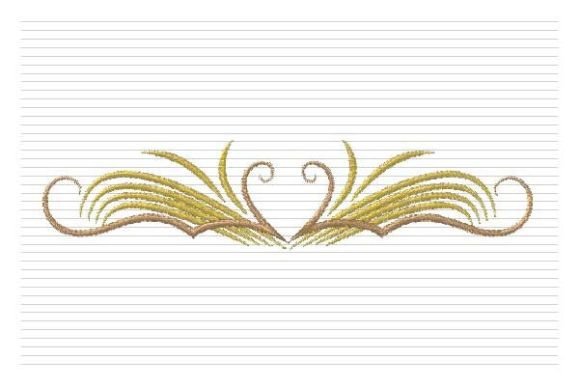
When I first opened the embroidery file for Border Embroidery Side, the immediate feeling was one of classic elegance mixed with a warm, handmade charm. Unlike generic patterns that feel mass-produced, this design possesses a specific mood that speaks directly to buyers looking for meaningful personalized gift options. The symmetry is pleasing to the eye, creating a balanced frame that naturally draws attention to the center of the item while adding significant visual weight to the edges.
This design feels versatile enough to be sweet and playful for a nursery item, yet refined enough to serve as a romantic accent for a wedding keepsake. It strikes a perfect balance between being modern in its clean lines and timeless in its decorative nature. For an Etsy seller or a crafter planning a booth at a local craft fair, this is exactly the kind of detail that stops a browser from scrolling past. It suggests quality and care, which are essential for building trust with customers purchasing handmade products.
Real-World Applications for Gift Makers
I have been mentally mapping out how Border Embroidery Side would perform across various high-demand categories. Imagine a customer ordering a custom baby blanket. Placing this corner design in each of the four corners instantly transforms a plain piece of fleece or cotton into a sophisticated heirloom. The design adds a layer of perceived value without overwhelming the softness of the fabric. Similarly, for those creating baby embroidery pieces like muslin swaddles or burp cloths, this border offers a subtle way to add a monogram or name without cluttering the limited space.
The potential extends beautifully into home decor. A set of embroidered towels for a new homeowner becomes a stunning housewarming gift when accented with these corner designs. Whether it is a kitchen towel or a bath sheet, the Border Embroidery Side frames the personalization perfectly. I also see immense potential for wedding gift designers. Pillow covers featuring this motif could serve as elegant table runners or decorative accents for the bridal suite. Even for custom tote bags or aprons, placing this design on the hem or the pocket corners adds a professional finish that separates a hobbyist project from a commercial-grade small shop product.
Strategic Considerations for Finished Products
While the design is beautiful, using it effectively requires a keen eye for where it fits best. The primary goal of any commercial embroidery venture is to ensure the finished product looks flawless. With Border Embroidery Side, the focus must remain on the corners. It is not a full-frame border but rather a decorative anchor. This makes it ideal for pillow covers where the design sits in the corners, leaving the center open for names or dates. It creates a sense of completeness without dominating the entire surface area.
For digital product sellers creating printable mockups, this design is a powerhouse. You can easily visualize how it enhances a photo of a blanket embroidery project or a custom order preview. When customers see how the corner decoration frames their text, they are more likely to click "buy." It signals that the creator has thought about every aspect of the aesthetic, fostering a deeper emotional connection with the buyer.
Potential Pitfalls and Where to Be Careful
However, even the most charming machine embroidery design can fail if placed incorrectly. There are specific scenarios where Border Embroidery Side might struggle. If you are working with textured fabrics like heavy terry cloth or thick towels, the stitch density needs to be checked carefully. If the fabric is too plush, the detailed corners might get lost in the pile, making the design look muddy rather than crisp.
Stretchy fabrics, such as those used for baby clothes or fitted garments, require extra caution. Without proper stabilizer, the tension of the embroidery could cause the fabric to pucker, ruining the symmetry that makes this design so special. Additionally, dark fabrics present a challenge; unless you use high-quality, lightfast threads with excellent coverage, the details may not pop against the background. Curved surfaces, like rounded apron pockets or bag bottoms, can also distort the straight lines of the border if the hoop placement is not precise.
Another critical factor is durability. Since many of these items, such as embroidered towels or baby blankets, will undergo frequent washing, the thread choice and stitch density must hold up over time. If the design is too dense, it might become stiff and uncomfortable, detracting from the tactile experience of the finished product.
Practical Notes for Testing and Production
Before I start fulfilling orders for my own shop, I always follow a strict testing protocol. First, I test the embroidery file on scrap fabric that matches the intended final material. This allows me to check the stitch density and see how the threads lay on the surface. I pay close attention to the transition points where the design meets the edge of the fabric to ensure there are no loose threads or gaps.
It is vital to confirm the hoop size required for this design. While I do not have the exact dimensions memorized right now, checking the file metadata is a non-negotiable step to ensure it fits your machine's capabilities. I also recommend comparing light and dark fabric mockups side-by-side to verify thread color contrast. Sometimes a color that looks perfect on screen appears dull in person, so physical testing is key.
Finally, before selling these items commercially, I always double-check the licensing terms associated with the digital embroidery file. Understanding the rules regarding commercial embroidery rights ensures that I am protected and that my customers receive authentic, legally sourced designs. If the license terms are unclear, I advise reaching out to the designer or checking the documentation thoroughly.
Final Thoughts on Design Selection
In conclusion, Border Embroidery Side is a strong candidate for anyone looking to elevate their personalized gift offerings. Its symmetrical charm and adaptable nature make it suitable for everything from nursery decor to wedding gifts. By understanding its strengths and respecting the limitations of different fabrics, you can create products that not only look beautiful but also stand the test of time. Whether you are a seasoned pro or just starting your journey as a handmade seller, paying attention to these details is what turns a simple piece of cloth into a treasured memory.