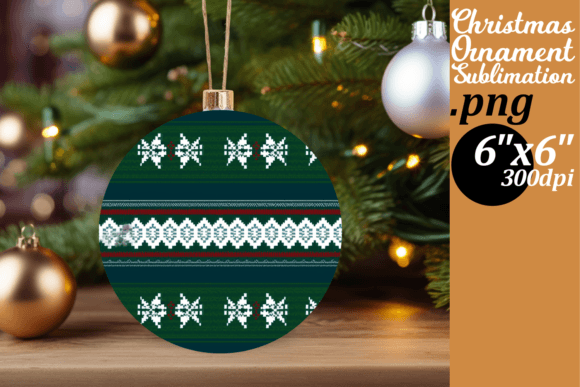
Christmas Circle Embroidery Designs Review
As a professional embroidery designer who spends countless hours testing digital assets for real-world commercial projects, I approach every new download with a mix of excitement and skepticism. Recently, I came across Christmas Circle Embroidery Designs on Creative Fabrica, intending to use it for a seasonal collection of handmade gifts and boutique merchandise. However, before diving into the needle, I felt compelled to write an honest evaluation. This review is not just about aesthetics; it is about whether this file can truly survive the rigors of production on custom apparel, tote bags, and nursery decor.
The First Impression: Visual Mood and Design Personality
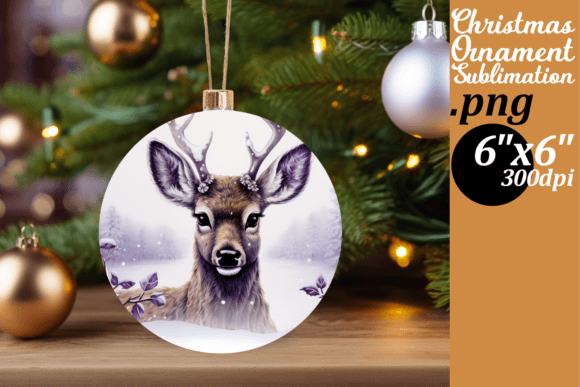
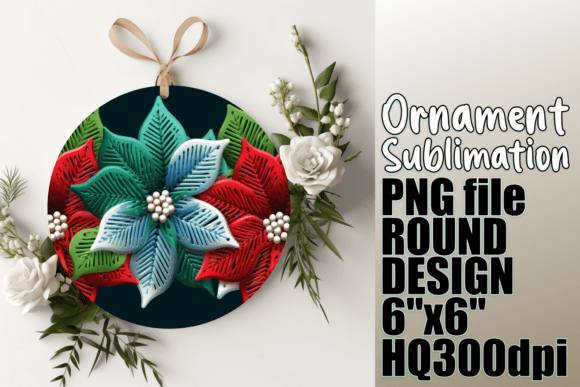
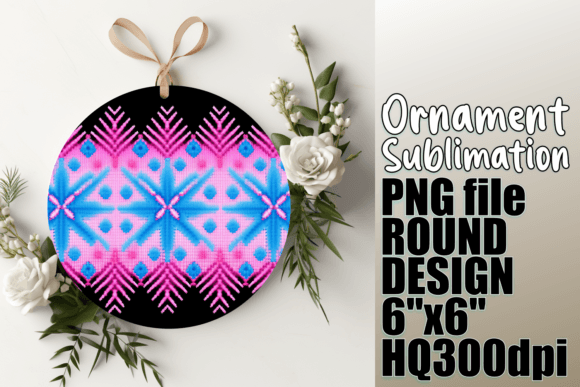
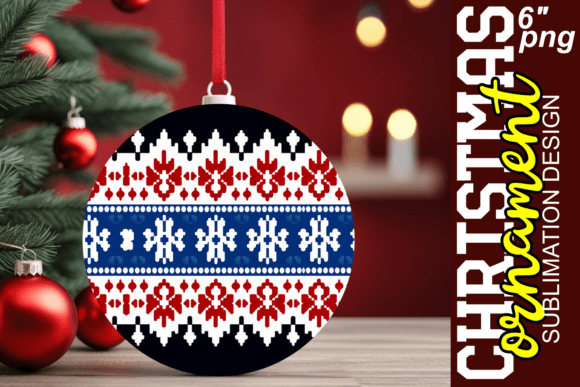
When you first open Christmas Circle Embroidery Designs, the visual mood is immediately festive yet classic. The circular motif suggests unity and wholeness, which fits perfectly with holiday themes. For designers looking to create embroidered patches or decorative accents on kitchen towels, the layout offers a balanced composition that draws the eye without overwhelming the fabric. The design personality feels traditional, relying on clean lines and symmetrical elements rather than chaotic, trendy patterns.
In terms of detail level, the design appears to have a moderate amount of intricacy. It is not a simple outline, nor is it a dense block of pixels. This balance is crucial when considering how the final piece will look on items like a sweatshirt embroidery project or a delicate baby blanket. The circle format naturally lends itself to being centered on various products, from the chest of a cap to the corner of a pillow cover. However, the initial visual appeal must be weighed against the technical reality of stitching.
Real-World Performance in Commercial Projects
I evaluated Christmas Circle Embroidery Designs with specific end-use scenarios in mind. Can this file hold up as a handmade product sold at craft fairs? Will it translate well to commercial embroidery orders for Etsy sellers? The answer depends heavily on how the design interacts with different fabrics and stabilizers.
For tote bag design applications, the circular shape works exceptionally well. The symmetry allows for easy centering on canvas or cotton bags, creating a polished look that enhances brand consistency. Similarly, for custom apparel like aprons or baby onesies, the design offers a charming focal point. When used on pillow covers or nursery decor, the soft, rounded edges of the circle provide a gentle aesthetic that appeals to parents looking for personalized gifts.
However, the versatility of this embroidery file has its limits. While it shines on flat surfaces, applying it to curved cap surfaces requires significant skill. The curvature of a baseball cap can distort a circular design if the digitization does not account for the tension properly. Furthermore, for apparel decorators working with stretchy fabrics, the stability of the design is paramount. If the stitch density is too high, the fabric may pucker, ruining the finished product and potentially damaging customer trust.
Practical Considerations and Technical Challenges
Before committing to a large production run, there are several practical hurdles one must consider. The most critical factor is the hoop size. Many digital embroidery files are optimized for standard hoops, but if Christmas Circle Embroidery Designs contains tiny lettering or intricate details, a smaller hoop might be necessary. This limitation can affect the overall scale of the project. If the design includes small text, it may become illegible after stitching, especially on textured fabrics where the thread sinks into the weave.
Stitch density is another area requiring careful attention. Dense stitch areas can cause problems on thin materials like lightweight kitchen towels or delicate baby items. Conversely, on dark fabrics, the contrast provided by the thread colors is essential. A machine embroidery design that looks vibrant on a screen might appear muted on black fabric if the underlay or topstitch colors are not chosen correctly. I strongly advise checking the thread colors against your intended fabric palette before starting.
The choice of stabilizer cannot be overstated. For stretchy fabric projects, a cut-away stabilizer is often required to prevent distortion over time. On textured fabric, such as fleece or terry cloth, a tear-away or water-soluble backing might be needed to support the stitches. Without the proper stabilization, even the best design assets can fail, leading to puckering or skipped stitches that ruin the visual appeal of the item.
Impact on Product Value and Customer Trust
Using high-quality graphics and Creative Fabrica embroidery files directly impacts the perceived value of your handmade shop. A well-executed embroidered patch or a crisp seasonal handmade gift signals professionalism. Customers are willing to pay a premium for items that show attention to detail, such as clean satin stitches and no loose threads. In contrast, a poorly executed design can make a business look amateurish, regardless of the quality of the base material.
Furthermore, the design affects product photography. A clean, centered Christmas Circle Embroidery Designs on a neutral background creates a compelling image for social media and online listings. It tells a story of craftsmanship and care. When buyers see a consistent style across their inventory, it builds buyer trust and encourages repeat purchases. The design's ability to adapt to various formats—from printable mockups to actual physical goods—is a key asset for creative entrepreneurs looking to expand their craft fair products or boutique merchandise.
Essential Testing Steps Before Production
If you are planning to use this file for real project use, do not skip the testing phase. Here is a checklist based on my experience:
- Test on scrap fabric: Always run a test stitch on a scrap piece of the same fabric you intend to use. This reveals issues with tension, puckering, or thread breakage.
- Review stitch density: Inspect the design closely. Are there areas where the stitches are too close together? This can lead to fabric damage or difficulty threading.
- Confirm hoop size: Ensure your machine hoop can accommodate the design dimensions without cutting off important details.
- Compare light and dark fabric mockups: See how the design translates on both ends of the spectrum to ensure color visibility.
- Use proper stabilizer: Select the correct stabilizer type (cut-away, tear-away, or wash-away) based on the fabric weight and stretch.
- Inspect small details: Zoom in on the stitched sample to check for clarity in any text or fine lines.
- Check licensing: Before selling finished items, confirm the file details and licensing terms on the Creative Fabrica product page to ensure you are compliant with commercial use policies.
A Note on Sublimation and File Usage
It is vital to address a specific instruction found in the product description. The creator notes that "To effectively use this file, a thorough understanding of sublimation is essential." This statement raises a red flag for those expecting a standard machine embroidery design ready for immediate stitching. Sublimation involves transferring dye onto fabric using heat, which is a completely different process from traditional needle-and-thread embroidery.
If you are an embroidery designer looking for a standard .pes, .dst, or .exp file to load into your machine, you must verify the file format carefully. The mention of sublimation suggests that this product might be intended for heat transfer or digital printing workflows rather than direct stitching. As the creator states, they cannot assist with the process, so buyers must have the requisite software and equipment. This distinction is critical for anyone planning to use Christmas Circle Embroidery Designs for custom apparel via traditional embroidery methods. Misinterpreting the file type could lead to wasted time and resources.
Final Thoughts for Crafters and Sellers
In conclusion, Christmas Circle Embroidery Designs presents a visually appealing option for the holidays, provided its technical requirements align with your workflow. It has the potential to elevate your handmade presentation and create engaging giftability for your customers. However, the ambiguity regarding sublimation versus traditional embroidery means that due diligence is required. By testing thoroughly, selecting the right materials, and understanding the file's true nature, you can determine if this is the right design asset for your next creative project.
Whether you are a seasoned Etsy seller or a hobbyist crafter, the key to success lies in preparation. Treat every download as a potential challenge to be mastered. With the right approach, even complex files can become the cornerstone of a successful small business or a cherished personalized gift for a loved one.