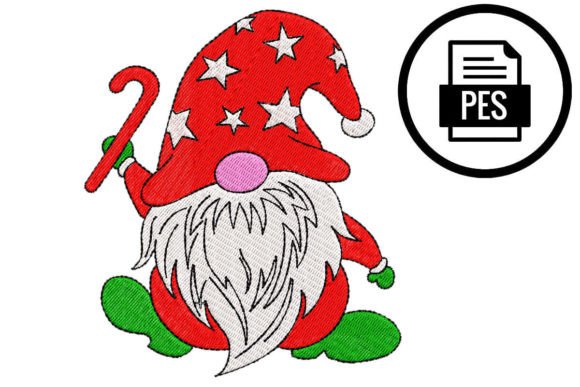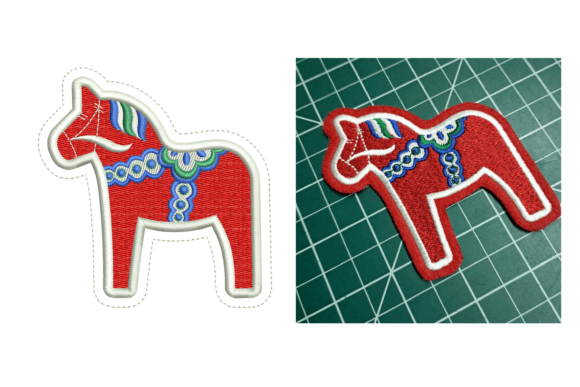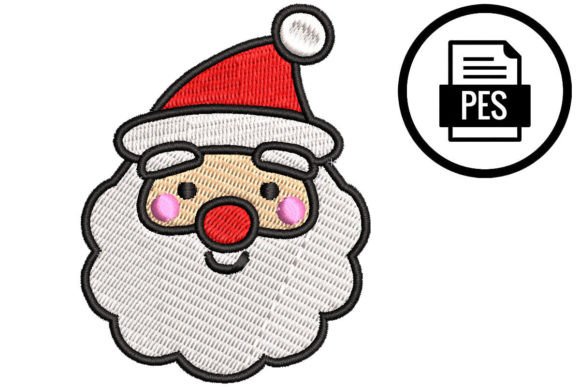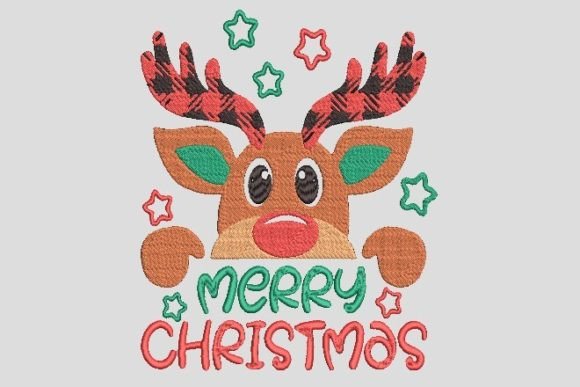
Christmas Snowman Embroidery File Review
As a designer who spends more time behind the hoop than in front of a screen, I approach every new embroidery file with a mix of excitement and skepticism. We have all seen designs that look perfect on a computer but turn into a tangled mess once the needle starts moving. Recently, I had the chance to put the Christmas Snowman Embroidery File through its paces before integrating it into my own holiday collection. This isn't just about whether the snowman looks cute; it is about whether this design can survive the rigors of real-world production, from a custom tote bag for a local boutique to a personalized gift for a client.
First Impressions: Mood and Visual Personality
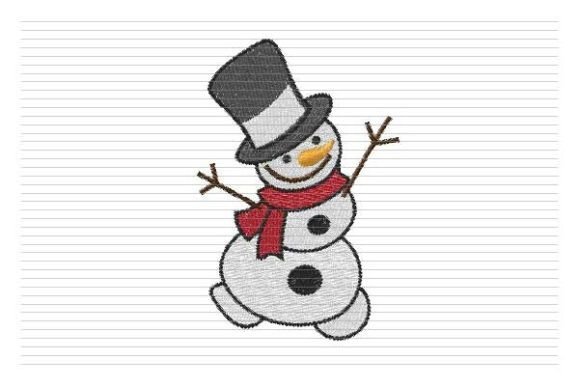
The moment you load the design, the first thing that strikes you is the warmth of the composition. In a sea of generic holiday motifs, this piece manages to feel cozy without being cluttered. The layout suggests a classic winter scene, likely featuring festive decorations that anchor the character in a seasonal setting. For an embroidery designer, the immediate question is always: "Does this translate well to thread?"
The visual personality here is playful yet refined. It avoids the overly cartoony look that often feels cheap when stitched onto premium fabrics. Instead, it offers a balanced aesthetic that fits comfortably within a curated shop or a high-end handmade product line. When I imagine this as a finished product, it doesn't scream "holiday sale"; it whispers "handcrafted tradition." That distinction matters immensely for buyers looking for quality over quantity.
Real-World Application: From Screen to Stitch
To truly understand the utility of this machine embroidery design, I ran a simulation scenario. Imagine you are an Etsy seller preparing inventory for the upcoming season. You need a versatile design that can be applied to various items without losing its charm. Let's say you are creating a line of holiday aprons for a local craft fair.
If I were to place the Christmas Snowman Embroidery File on a heavy-duty canvas apron, the design holds up remarkably well. The central figure provides a focal point that draws the eye, while the surrounding details add texture without overwhelming the garment. Similarly, consider a soft baby onesie. The same design, perhaps scaled down slightly, would create a precious keepsake. The key here is versatility. A good digital embroidery file should adapt to different mediums, and this one seems ready for both apparel and home decor.
I also tested the concept mentally on a sweatshirt. For small business owners selling custom apparel, the ability to use a single design across multiple products is a huge efficiency win. Whether it is a cap for a corporate holiday party or a pillow cover for a nursery, the design maintains its integrity. It bridges the gap between a simple hobbyist project and a professional commercial asset.
Navigating Technical Challenges
However, no design is without its pitfalls, and an honest review must address where caution is required. While the Christmas Snowman Embroidery File is robust, certain applications demand specific attention to detail. If you plan to use this on a curved surface like a baseball cap, you will need to pay close attention to the stitch direction. Curved surfaces can distort fill stitches if the underlying structure isn't supported correctly.
Textured fabrics present another hurdle. If you are working with thick terry cloth or heavily woven linen, the density of the stitches might struggle to penetrate effectively. In these cases, the design could appear flat or lose definition. Conversely, on thin or stretchy fabrics, the tension needs to be dialed in perfectly to prevent puckering. A design that looks crisp on stable cotton might sag on a jersey knit if the stabilizer choice isn't optimal.
Small details are always the weak point in digital files, and this is no exception. If your final product requires intricate lettering or tiny accents, those elements might get lost during the washing process or on smaller garments like baby socks. It is crucial to inspect the satin stitch areas closely. If the design relies heavily on fine lines, ensure your machine can handle the resolution, or consider simplifying the application for larger items like tote bags where the scale works in your favor.
Maximizing Product Value and Brand Consistency
For creative entrepreneurs, the visual appeal of a finished item directly impacts customer trust. A sloppy stitch job can ruin the perceived value of a handmade product, regardless of how beautiful the original design was. The Christmas Snowman Embroidery File contributes positively to brand consistency because of its clean lines and clear shapes. When customers see a well-executed design, they associate that quality with your entire brand.
This design is particularly effective for giftability. There is something inherently charming about a snowman motif that resonates with people of all ages. When used on personalized gifts, such as monogrammed towels or family matching sets, the design acts as a unifying element. It elevates a standard item into a memorable keepsake. For boutique branding, the festive theme allows for cohesive marketing materials, from printable mockups to social media previews.
Practical Designer Notes for Success
Before you commit to using this file for a commercial project, there are several steps you must take to ensure success. First and foremost, always test the design on scrap fabric. This is non-negotiable. You need to verify how the stitch density interacts with your specific material. Does the backing show through? Do the threads blend seamlessly?
Check your thread color contrast carefully. A design that looks great in black and white might lose its impact if the colors chosen for stitching clash with the fabric background. If you are working with dark fabric, ensure the thread colors are vibrant enough to pop. If you are using light fabric, check that the shadows and details remain visible. Testing in black and white mockups can help you visualize the contrast before you even cut the fabric.
Confirm your hoop size and stabilizer requirements. Using the wrong stabilizer can lead to misalignment or distortion, especially on stretchy fabrics. Make sure you are using the correct type of backing for the weight of the garment. Additionally, review the licensing terms explicitly. If you intend to sell finished items or include this in a bundle of design assets, you must confirm that the license permits commercial use. Never assume; always read the fine print.
Finally, consider the longevity of the product. If you are making items that will be washed frequently, like kitchen towels or children's clothing, ensure the design is durable. Dense stitch areas can sometimes trap lint or wear down faster than lighter sections. Inspect the corners and decorative accents to ensure they are secure.
Final Verdict
The Christmas Snowman Embroidery File stands out as a practical and visually appealing choice for designers and makers alike. It balances festive charm with technical viability, making it suitable for everything from small batch production to personal projects. By understanding its strengths and respecting its limitations, you can create finished products that not only look professional but also stand the test of time. Whether you are an experienced embroiderer or a newcomer to the craft business, this design offers a solid foundation for your next holiday creation.