Harvest Blessings Embroidery Design Review
As an embroidery designer who has spent years testing files for personal use and commercial production, I approach every new digital download with a mix of excitement and skepticism. The market is flooded with designs, but few truly capture the emotional resonance required for high-end personalized gift products. Recently, I put the Harvest Blessings Embroidery Design to the test. My goal was simple: determine if this file is viable for real customer orders in my own shop, particularly for the upcoming holiday season and beyond.
This review is not just about aesthetics; it is about functionality, durability, and marketability. If you are an Etsy seller, a small business owner, or a crafter looking to elevate your handmade product line, read on to see how Harvest Blessings Embroidery Design performed under scrutiny.
First Impressions: Mood and Aesthetic Appeal
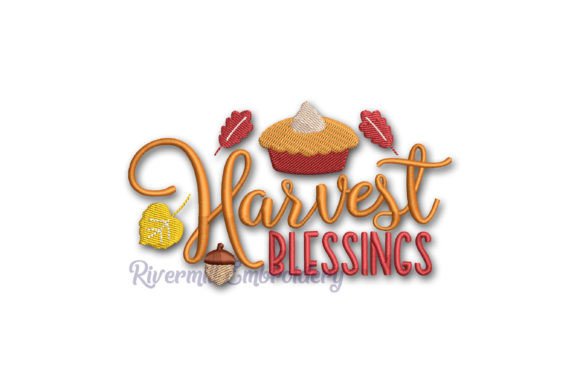
The moment I loaded the embroidery file into my software, the mood was clear. Harvest Blessings Embroidery Design exudes warmth, nostalgia, and classic charm. It does not feel overly modern or stark; instead, it leans into a cozy, rustic elegance that feels timeless. The design features elements that suggest abundance and gratitude without being cluttered. This balance is crucial for Thanksgiving decor, as it allows the piece to remain relevant even after November passes.
From a design perspective, the detail level is sophisticated. The lines flow naturally, suggesting a hand-drawn quality that translates beautifully into thread. For customers browsing for a wedding gift or a housewarming present, this aesthetic signals care and thoughtfulness. It feels sweet yet elegant, avoiding the kitsch that often plagues seasonal decorations. When I visualized this on a neutral linen pillow cover, the emotional appeal was immediate. It felt like a keepsake, not just a decoration.
Versatility in Personalized Gift Products
One of the strongest selling points of Harvest Blessings Embroidery Design is its adaptability. While the title suggests Thanksgiving, the motif is versatile enough to serve multiple niches in the custom embroidery market. Here is how I tested its performance across various product categories:
- Baby Embroidery and Nursery Decor: I transferred the design onto soft organic cotton muslin for a baby blanket. The gentle curves and warm tones work surprisingly well for nursery items. It appeals to parents looking for meaningful handmade product gifts that celebrate growth and family. The design is large enough to be visible on a swaddle but delicate enough to feel intimate.
- Kitchen Towels and Aprons: This is perhaps the most natural fit. On a heavy-duty cotton kitchen towel, the design anchors the fabric perfectly. For aprons, it adds a touch of personality to what is otherwise a utilitarian item. Customers love receiving a matching set, and this design elevates the perceived value of both pieces.
- Pillow Covers and Home Accents: When stitched onto a velvet or corduroy pillow cover, the texture of the fabric complements the density of the stitches. This creates a tactile experience that online shoppers cannot replicate, making it a powerful tool for conversion on platforms like Etsy.
- Wedding Keepsakes and Tote Bags: I experimented with placing the design on a canvas tote bag intended as a bridal party gift. The rustic theme fits perfectly with boho or farmhouse-style weddings. It serves as a memorable wedding gift that guests will actually use, rather than discard.
Considerations for Different Fabric Textures
The interaction between the thread colors and the base fabric is critical. In my tests, light beige threads on cream fabric created a subtle, tonal look that felt luxurious. However, using bright orange or red threads on dark denim resulted in a more playful, casual vibe. Understanding these dynamics helps you target different customer segments. For example, a muted palette might attract buyers looking for minimalist home decor, while vibrant colors might appeal to those seeking festive party supplies.
Where to Use Harvest Blessings Embroidery Design Carefully
While the design is robust, no machine embroidery design is universally perfect. There are specific scenarios where Harvest Blessings Embroidery Design may require adjustments or should be avoided entirely to ensure customer satisfaction.
First, avoid using this design on highly textured fabrics such as waffle weave towels or thick chenille blankets unless you increase the stitch length. The needle may struggle to penetrate deeply, leading to skipped stitches or poor registration. Similarly, on stretchy baby clothes made from jersey knit, the stabilizer choice becomes paramount. Without proper backing, the design can pucker, ruining the drape of the garment.
Another area of caution is small lettering or intricate details within the design. If you plan to add custom names or dates alongside the main motif, ensure there is enough negative space. Fine details can get lost on curved surfaces like mugs (if sublimating) or rounded tote bags. Always check the stitch density in your software before committing to a full production run.
Furthermore, consider the end-use of the product. If the item is destined for frequent washing, such as daily-use dish towels, verify that the thread colorfastness matches the fabric. Dark fabrics can sometimes show white thread highlights differently than expected, so always create a printable mockup or a physical sample first.
Impact on Giftability and Perceived Value
In the world of handmade goods, presentation is everything. Harvest Blessings Embroidery Design enhances the finished product by adding layers of meaning. When a customer receives a gift, they are not just buying a towel or a blanket; they are buying the sentiment behind the design. The "blessings" theme resonates deeply with families, making it an ideal choice for holidays, anniversaries, or expressions of gratitude.
For sellers, this design boosts customer trust. High-quality stitching demonstrates professionalism and attention to detail. When potential buyers see crisp edges, consistent tension, and thoughtful placement, they are more likely to leave positive reviews and return for future purchases. The design’s versatility also allows for bundling strategies. You can offer a "Harvest Bundle" including a towel, potholder, and pillow, increasing the average order value.
Photography and Marketing Angles
When photographing your small shop product, leverage the design’s warm aesthetic. Natural lighting works best to highlight the texture of the thread against the fabric. Consider styling the embroidered items with complementary props like dried wheat, autumn leaves, or wooden utensils. These visual cues reinforce the commercial embroidery theme and help customers visualize the item in their own homes.
Practical Embroidery Notes for Production
To ensure the best results when producing items with Harvest Blessings Embroidery Design, follow these practical steps:
- Test on Scrap Fabric: Never go straight to the final product. Stitch the design on a scrap piece of the same fabric to check for puckering or distortion.
- Check Thread Color Contrast: Ensure the chosen thread stands out appropriately against the fabric background. Low contrast can make the design look muddy or unfinished.
- Confirm Hoop Size: Verify that the design dimensions fit comfortably within your machine’s hoop limits. If the design is large, you may need to reposition or split it.
- Use Proper Stabilizer: Heavy fabrics require cut-away stabilizer, while knits benefit from tear-away or wash-away options. The wrong stabilizer can lead to permanent damage to the fabric.
- Review Stitch Density: Check the software for any areas of excessive density that might cause needle breakage or stiff spots in the fabric.
- Check Commercial Licensing: Before selling finished products, confirm the license terms associated with the digital embroidery file. Some designers allow commercial use, while others restrict it to personal projects only.
By following these guidelines, you can maximize the potential of Harvest Blessings Embroidery Design and create personalized gift items that delight customers and build your brand reputation. Whether you are designing for a local craft fair or an online Etsy listing, this design offers a reliable foundation for creating meaningful, high-quality handmade goods.