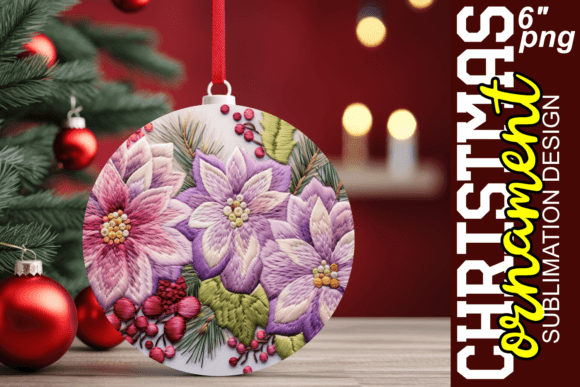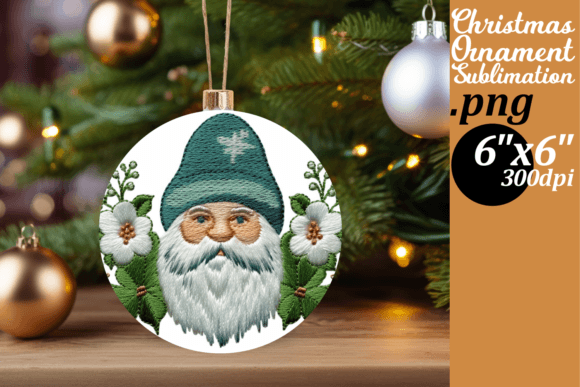
Holiday Circle Embroidery Art Review
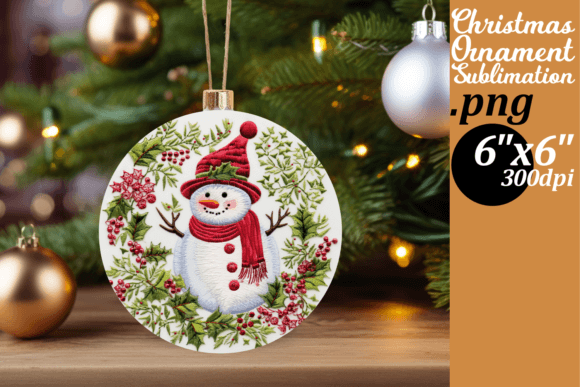
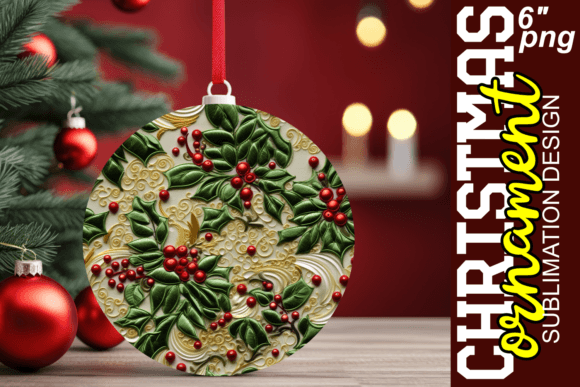
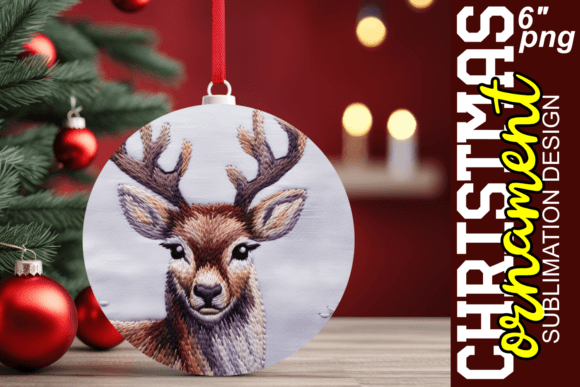
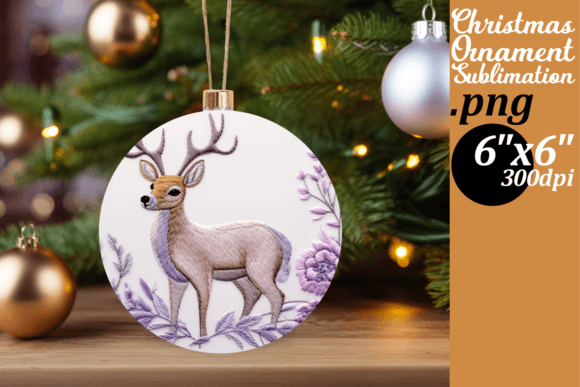
When I first opened the file for Holiday Circle Embroidery Art, my initial reaction was one of cautious optimism. As a designer who spends countless hours troubleshooting stitch density and thread breaks, I know that a pretty digital preview does not always translate to a high-quality finished product. The prompt explicitly states that using this file requires a thorough understanding of sublimation, which immediately raises a flag for traditional machine embroidery workflows. However, assuming we are navigating the intersection of these graphic arts and textile application, the visual personality of Holiday Circle Embroidery Art is undeniably festive. It carries a warm, inviting mood that screams "handmade gift" or "boutique seasonal collection."
The circular layout offers a classic, balanced composition that feels natural for branding on apparel or decorative home goods. Unlike chaotic holiday designs that scatter elements everywhere, this piece suggests focus and intentionality. For an Etsy seller or a small shop owner, this kind of cohesive design is gold. It implies professionalism and attention to detail, qualities that customers look for when purchasing personalized gifts. But before you rush to load your hoop, let's walk through how this design actually behaves in a real-world production environment.
Real-World Application: From Screen to Stitch
Imagine you are preparing a custom embroidered tote bag for a local craft fair. You want something that stands out on a rack full of generic items. Holiday Circle Embroidery Art fits perfectly here. The circular shape frames well on the front panel of a canvas tote, creating a focal point that draws the eye without overwhelming the fabric. If you were to use this as a sweatshirt embroidery project, perhaps for a cozy winter gathering, the design would likely sit comfortably over the heart area, offering a subtle yet cheerful accent.
I also see potential in baby clothes and nursery decor. A soft pastel version of this circle design stitched onto a receiving blanket or a onesie could become a cherished keepsake. The geometry is simple enough to be timeless, avoiding trends that might date the garment too quickly. For a kitchen towel or apron, the design adds a touch of holiday cheer to functional items, making them perfect for gifting during the season. The key here is the versatility; it works as a standalone motif or as part of a larger set of design assets for a commercial embroidery business.
However, the transition from a digital graphic to a physical object is where the rubber meets the road. If this file is intended for sublimation but you are attempting to adapt it for direct-to-garment stitching, you must be prepared for significant adjustments. The sharp lines of a digital graphic often need to be converted into satin stitches or fill stitches to hold up against wear and tear. Without proper conversion, the design might lose its definition, turning a crisp circle into a muddy blob of thread.
Where Caution is Required
Not every surface is created equal, and Holiday Circle Embroidery Art has specific limitations based on the material it encounters. Small hoop sizes present a genuine challenge. If the design contains intricate details within the circle, compressing them into a 4x4 inch hoop can result in crowded stitching that lacks clarity. Customers will notice if the texture looks matted or if the edges are jagged. Similarly, textured fabrics like heavy bouclé or thick fleece can swallow fine details, making the design appear smaller than intended.
Stretchy fabrics require extra care. Using a dense stitch pattern on a knit fabric without adequate stabilizer can lead to puckering, which ruins the aesthetic of the finished product. This is particularly problematic for custom apparel like t-shirts or fitted caps. On curved surfaces like baseball caps, the circular design might distort if the digitizing does not account for the curvature of the hat. While a flat circle looks great on a screen, it may warp slightly when pulled tight around a cap's crown.
Dense stitch areas are another consideration. If the design relies heavily on fill stitches to create color, it adds weight and stiffness to the garment. For lightweight fabrics or delicate baby items, this added bulk can be uncomfortable. Furthermore, if the design includes tiny lettering or very thin lines, they may break down after repeated washing. Commercial embroidery projects demand durability, so any element that cannot withstand the rigors of laundry should be approached with skepticism. Always inspect small details closely before committing to a large production run.
Visual Impact and Brand Value
The success of any handmade product often hinges on visual appeal and perceived value. A well-executed design like Holiday Circle Embroidery Art elevates a simple item into a premium product. When a customer sees clean, consistent stitching, their trust in the brand increases. They assume that if the embroidery is done right, the rest of the product quality is equally high. Conversely, sloppy execution can undermine even the best-selling idea.
For boutique branding and craft fair products, consistency is key. If you plan to sell a line of matching items—say, a pillow cover, a tea towel, and a patch—they all need to share the same visual language. This design provides a strong anchor for that consistency. It creates a recognizable signature that buyers can associate with your shop. In the competitive world of Etsy sellers and digital product sellers, having a library of reliable design assets is crucial for maintaining a steady stream of new listings.
The design also enhances giftability. Holiday gifts often rely on sentiment and presentation. A beautifully embroidered circle with a festive theme conveys thoughtfulness and effort. It transforms a mass-produced item into a personalized gift, which is exactly what many consumers are seeking today. Whether it is a wedding gift or a corporate holiday present, the finish of the embroidery speaks volumes about the giver's intent.
Practical Designer Notes for Success
Before you start stitching, there are several technical steps you must take to ensure Holiday Circle Embroidery Art performs as expected. First and foremost, test the design on scrap fabric. This is non-negotiable. Use the exact type of fabric and stabilizer you intend to use for the final product. Check the thread color contrast carefully; a light thread on a light background might disappear, while a dark thread on a dark background could get lost in shadow.
Review the stitch density settings in your software. If the file is a digital embroidery file meant for standard machines, ensure the density is appropriate for the fabric weight. Too much density causes stiffness, while too little leaves gaps. Confirm the hoop size matches your intended project dimensions. If you are working with a limited hoop, you may need to split the design, though this can affect the flow of the artwork.
Inspect small details under magnification. Look for potential thread breaks or areas where the design might be too thin to hold together. Test the design in black and white mockups to see how the shapes read without the distraction of color. Compare how it looks on both light and dark fabric backgrounds to ensure versatility. Always use proper stabilizer; the wrong choice can cause the entire project to fail.
Finally, clarify licensing terms. If you are selling finished items or digital products, you must confirm whether the license allows for commercial use. Do not assume that purchasing a file grants you the right to resell the design or the products made from it. Verify these details before launching your campaign. Also, check whether the design works for both personal and commercial projects to avoid legal issues later.
In conclusion, Holiday Circle Embroidery Art holds promise for creative entrepreneurs and hobbyists alike. Its festive nature and clean geometry make it a strong candidate for various embroidery projects, from baby items to boutique merchandise. However, success depends entirely on your ability to adapt the design to the constraints of real-world manufacturing. By testing thoroughly, respecting the limitations of different fabrics, and ensuring technical precision, you can turn this digital concept into a tangible, high-value product that delights customers and strengthens your brand.