Watermelon Machine Embroidery Design Review
As an embroidery designer who has spent years translating digital concepts into tactile reality, I approach every new file with a mix of excitement and skepticism. The market is saturated, and for a small boutique brand to stand out, the embroidery design must do more than just fill space; it must convey mood, quality, and intention. Recently, I had the opportunity to evaluate the Watermelon Machine Embroidery Design for a potential limited-edition sweatshirt drop. This review breaks down how this specific machine embroidery design performs when moved from a kitchen towel to a premium heavyweight hoodie.
First Impressions: Mood and Aesthetic
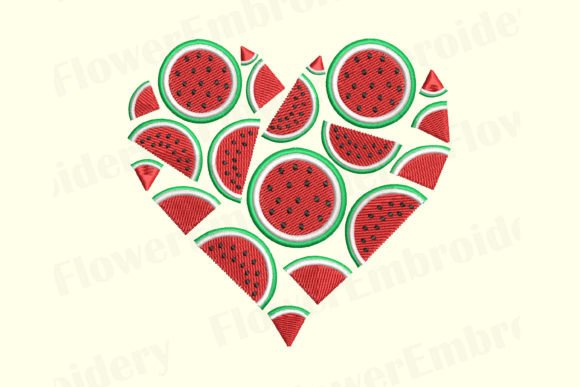
When you first load the embroidery file, the immediate takeaway is its playful yet rustic charm. The title suggests a summer vibe, but in my experience, watermelon motifs are versatile enough to transcend seasonal boundaries if styled correctly. The design features bold, recognizable shapes that rely on strong color blocking rather than intricate, delicate detailing. This makes it an excellent candidate for sweatshirt embroidery, where heavy fabric can sometimes swallow up fine lines.
The aesthetic leans heavily into the "farmhouse chic" and "cottagecore" trends that dominate platforms like Etsy. It feels cute, feminine, and slightly nostalgic. For a boutique brand targeting young women or families looking for cozy, handmade-feeling apparel, this design hits the right emotional notes. It isn’t minimalist, nor is it overly decorative in a fussy way; instead, it strikes a balance between casual fun and polished presentation. When placed on a neutral cream or oatmeal sweatshirt, the design pops with warmth, creating an inviting finished product that encourages customer engagement.
Application on Premium Apparel
The true test of any digital embroidery file is how it translates to garment wear. I visualized this design across several key placements for a hypothetical clothing line:
- Chest Placement: Centered on the left chest of an oversized hoodie, the design acts as a subtle branding element. It’s not loud, but it is noticeable. This is perfect for lifestyle product photography, where the detail adds character without overwhelming the silhouette.
- Sleeve Accents: Because the design has a compact footprint, it works beautifully as a sleeve cuff accent. This adds a unique touch that differentiates your custom apparel from mass-produced items found in big-box stores.
- Back Designs: If scaled appropriately, the motif could serve as a central back print. However, given its nature as a single focal point, it might feel sparse unless paired with complementary text or smaller graphic elements.
I also considered dark fabrics. On charcoal or navy sweatshirts, the contrast becomes dramatic. The bright reds and greens of the watermelon theme will vibrate against dark backgrounds, creating a bold, streetwear-inspired look. Conversely, on pastel pink or lavender hoodies, the design softens, leaning into a dreamy, springtime aesthetic. This versatility is a major asset for an Etsy seller looking to offer multiple colorways within the same collection.
Thread Colors and Fabric Texture
One of the most critical aspects of commercial embroidery is thread selection. The success of this design assets package relies heavily on choosing the right thread colors. For a premium look, I recommend using high-quality polyester threads with a slight sheen. This sheen catches the light and elevates the perceived value of the handmade product.
The fabric texture of a fleece sweatshirt interacts differently with stitches than woven cotton. The pile of the sweatshirt can hide some stitch definition, so the design’s inherent boldness is a safety net. If the design were too thin or linear, it would disappear into the fuzz. Instead, the solid fills and distinct outlines ensure readability even from a distance. This is crucial for small shop product listings where customers cannot physically touch the item before buying.
Technical Considerations for Production
From a technical standpoint, there are practical concerns that every embroiderer must address before hitting the start button. While the visual appeal is high, the structural integrity of the design determines its longevity.
Stitch Density: The density appears well-balanced for mid-weight to heavy-weight fabrics. It provides enough coverage to prevent the fabric from showing through, which is vital for durability. However, designers should always check the underlay stitches. Proper underlay stabilizes the fabric and prevents puckering, especially on the curved surfaces of a hoodie shoulder or chest.
Stabilizer Choice: Given that this design is often applied to knit fabrics like sweatshirts, a cut-away stabilizer is non-negotiable for long-term wear. Tear-away stabilizers may work for temporary displays, but they will fail after washing. Using the correct stabilizer ensures that the embroidery design maintains its shape and doesn’t distort over time, which directly impacts buyer trust and reduces returns.
Hoop Size and Placement: Ensure your hoop size accommodates the design’s dimensions with adequate margin. Placing the design too close to the edge of the hoop can cause distortion. For a professional finish, use a jump-stitch trimming function if available to keep the back clean. Clean backs are a hallmark of high-end commercial embroidery and signal to the customer that care was taken in production.
Brand Identity and Market Value
Incorporating a cohesive embroidery design like the Watermelon motif does more than decorate a garment; it builds brand identity. Consistency in style helps with visual recognition. If your brand is known for cheerful, farm-to-table inspired aesthetics, this design reinforces that narrative. It tells a story of simplicity, joy, and natural beauty.
For an Etsy seller or creative entrepreneur, having a library of versatile designs allows for rapid testing of market trends. You can create a printable mockup to preview how the design looks on various garments before committing to inventory. This reduces risk and allows you to gauge interest through social media teasers. High-quality embroidery adds tangible value to a product. Customers are willing to pay a premium for items that feel crafted and unique, rather than screen-printed and generic.
Washing Durability and Care
A common concern with embroidered apparel is washability. Does the design hold up? Generally, machine embroidery is durable, but proper finishing matters. Trimming loose threads and ensuring all ends are locked in prevents unraveling. The watermelon design, with its likely satin stitches for borders and fill stitches for color, should withstand regular laundering if stitched correctly. Providing care instructions to your customers—such as washing inside out and avoiding harsh detergents—will further extend the life of the finished product.
Final Verdict
The Watermelon Machine Embroidery Design is a strong contender for small brands looking to add a touch of whimsy and warmth to their collections. Its bold aesthetic translates well to sweatshirts, offering excellent visibility and a premium feel. It bridges the gap between rustic home decor vibes and modern streetwear fashion.
However, as with any embroidery file, success depends on execution. Always verify the specific hoop size, recommended thread colors, and technical specifications provided by the creator. If these details are missing, reach out to the designer or consult your machine’s manual to avoid production issues. By paying attention to stitch density, stabilizer choice, and thread quality, you can transform this digital concept into a beloved physical item that resonates with your audience.
Whether you are decorating aprons for a farmers' market stall or launching a full-line boutique apparel brand, this design offers flexibility and charm. It is a testament to the power of thoughtful design assets in creating memorable handmade products that stand out in a crowded marketplace.