Ikat Embroidery Pattern Digital Paper Review
As an experienced embroidery designer who spends countless hours testing digital assets before they ever touch a hoop, I recently evaluated the Ikat Embroidery Pattern Digital Paper from Creative Fabrica. My goal was to determine if this asset could realistically support commercial projects like custom apparel, boutique tote bags, and nursery decor. After reviewing the file details and simulating its use on various fabric types, here is my honest assessment of how this design performs in real-world handmade production.
First Impressions: Visual Mood and Detail
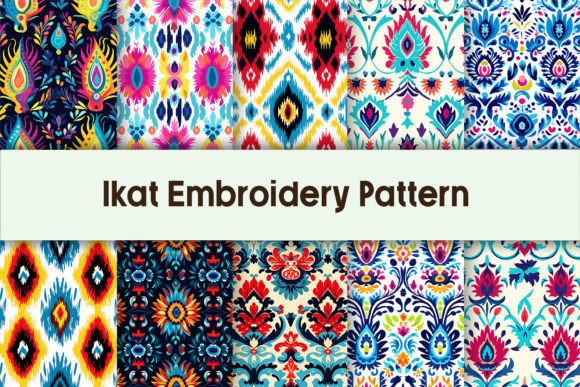
The moment you open the package containing 10 PNG files, the visual impact is immediate. The Ikat Embroidery Pattern Digital Paper captures that distinct, slightly blurred aesthetic characteristic of traditional ikat weaving, but translated into a format perfect for modern digital graphics. At 4000x4000 pixels with high resolution 300 DPI, the clarity is exceptional. Unlike some vector-based patterns that can look too sharp or sterile when converted for stitching, this digital paper retains a soft, organic texture that feels warm and inviting.
For designers looking to create handmade products with a bohemian or artisanal vibe, the mood is spot-on. The pattern offers a balanced mix of geometric precision and fluid color bleeding, which suggests it would work beautifully as a background element for commercial embroidery or as a standalone decorative feature on larger items. It does not feel like a generic clip art; it has a sophisticated depth that elevates the perceived value of any finished item.
Real-World Application: From Screen to Stitch
When considering whether to use this asset for a specific order, such as a sweatshirt embroidery project or a set of kitchen towels, the first question is always about feasibility. While this product is listed under Crafts and Graphics, it is important to remember that these are raster images (PNGs), not native machine embroidery files (.dst, .pes, .exp). This distinction changes how we approach the design process.
If you are planning to turn this into a machine embroidery design, you will need to trace the pattern using digitizing software. The high resolution makes this tracing process much easier than working with low-quality thumbnails. You can clearly see where the stitch density should vary to mimic the original artistic intent. For instance, the darker bands of the ikat pattern might require a dense fill stitch, while the lighter transitions could be rendered with delicate running stitch or satin stitch outlines to preserve the soft edges.
However, if your workflow involves printing directly onto fabric or using the image for printable mockups for Etsy listings, the performance is flawless. The 4000x4000 pixel size ensures that even large prints on canvas or heavy cotton remain crisp without pixelation. This versatility makes the Ikat Embroidery Pattern Digital Paper a valuable tool for creating consistent branding across both physical goods and digital storefronts.
Practical Considerations for Complex Projects
In my experience, not every design works well on every surface. When evaluating this pattern for specific items, several factors come into play. For custom apparel like hoodies or denim jackets, the pattern's complexity requires careful planning regarding hoop size. If you intend to embroider the full pattern, you may need a large hoop, which can be difficult to manage on curved surfaces like caps or structured shoulder areas.
For smaller items like kitchen towels or pillow covers, the design scales down beautifully. However, you must consider the fabric type. On stretchy materials like jersey knit, a dense ikat pattern might cause puckering if not stabilized correctly. Using the proper stabilizer is non-negotiable here. A tear-away or cut-away backing will ensure the pattern holds its shape after washing.
Digital designers also need to account for thread colors. Since the PNG includes specific color values, translating them accurately into thread spools is crucial for brand consistency. If the original digital file uses vibrant blues and terracottas, ensure your thread selection matches closely. Mismatched threads can make a professional-looking design appear cheap. Always test your colorway on scrap fabric before committing to the final customer order.
Elevating Product Value and Buyer Trust
One of the most significant advantages of using high-quality assets like the Ikat Embroidery Pattern Digital Paper is the boost it gives to product photography and buyer perception. In the competitive world of Etsy sellers and small business owners, visual appeal is everything. A clean, high-resolution pattern used in mockups or printed on packaging signals professionalism and attention to detail.
When customers receive a personalized gift or a tote bag design that features a cohesive, well-executed pattern, their trust in your brand increases. They perceive the item as more durable and thoughtfully designed. This is particularly true for seasonal handmade gifts. An ikat-themed baby blanket or nursery decor item created with this pattern feels curated and unique, distinguishing your shop from mass-produced alternatives.
Furthermore, using a consistent design language helps build a recognizable brand identity. Whether you are selling embroidered patches or graphic design services, maintaining the same aesthetic quality across all deliverables creates a seamless customer experience. The Ikat Embroidery Pattern Digital Paper provides a versatile foundation that supports this consistency without requiring constant reinvention of the wheel.
Essential Steps Before You Start
Before diving into production, there are practical steps every designer should take to ensure success. First, verify the licensing terms on the Creative Fabrica product page. Understanding what you can and cannot do with the digital embroidery file is vital for avoiding legal issues, especially when selling finished goods.
Secondly, conduct rigorous testing. Do not assume the pattern will work perfectly on dark fabrics or textured materials without a trial run. Check the thread color contrast against your base material. If you are using a light thread on a dark background, ensure the stitches are dense enough to cover the fabric completely. Conversely, on light fabrics, check for any unwanted shadowing from the stabilizer.
Inspect small details after stitching. Sometimes, fine lines in a digital pattern can get lost in the translation to thread. If the pattern includes tiny lettering or intricate geometric shapes, simplify them slightly during the digitizing phase to prevent thread breaks or skipped stitches. Finally, confirm the file details again. The product description states 10 PNG files at 300 DPI, which is excellent, but double-check that these dimensions meet your specific printer or machine requirements.
Final Thoughts on Design Potential
The Ikat Embroidery Pattern Digital Paper stands out as a robust resource for creative entrepreneurs. Its high resolution and authentic aesthetic make it suitable for a wide range of applications, from apparel decorators looking to add flair to sweatshirts to crafters building a boutique line of home goods. While it requires additional processing to become a native embroidery file, the effort is justified by the quality of the output.
By integrating this pattern into your workflow, you can enhance the visual storytelling of your products. Whether you are creating a limited edition collection for a craft fair or expanding your online store with new design assets, this digital paper offers a reliable way to maintain high standards. It is a smart investment for anyone serious about producing professional-grade handmade products that resonate with modern tastes.